
Browse verified fundraising campaigns across immediate and continued need categories. Filter by urgency or crisis type to find where help is needed now.
Immediate
Urgent response needs
Continued
Recovery and sustained aid
Verified
Published campaigns

Hurricane Isaias has strengthened into a Category 3 storm and is threatening the northern Gulf Coast. It is the first Atlantic hurricane of the 2026 season and the ninth named storm. Forecasters had predicted a quiete...
Our Partners


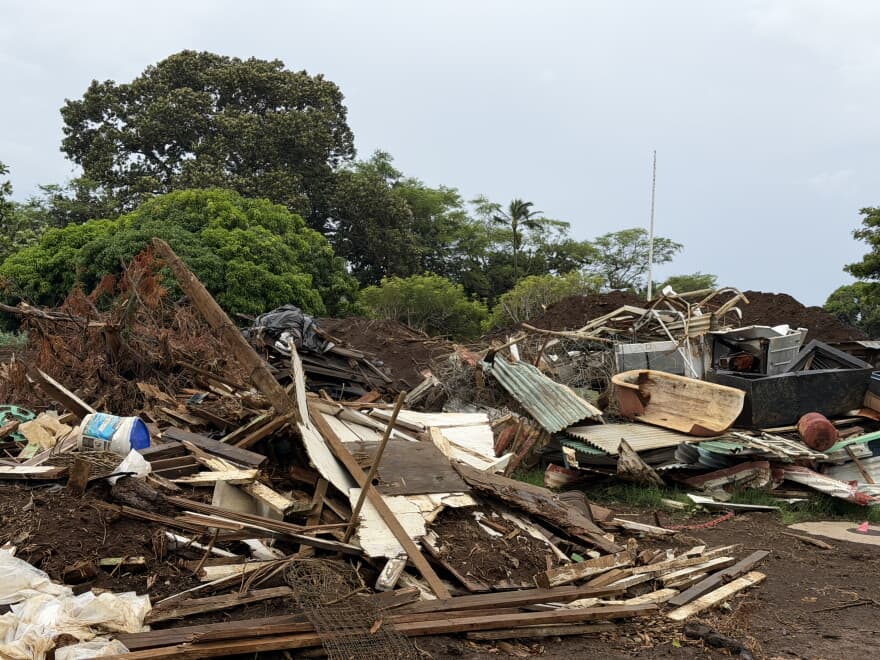
Hurricane Nolo strengthened into a Category 4 storm far south of Hawaii, bringing threats of heavy rain, flooding, strong winds, and high surf to the islands. The hurricane skirted the main Hawaiian Islands without ma...

Flash flooding across the Navajo Nation has damaged roads, forced evacuations, and claimed three lives amid heavy monsoon rains in the Four Corners region. The victims include three family members, among them a young...

Hurricane Lowell, a powerful Category 4 storm, threatened the Hawaiian Islands in September 2026 as the third system to approach the state in recent weeks amid an active El Niño-influenced season. The hurricane prompt...
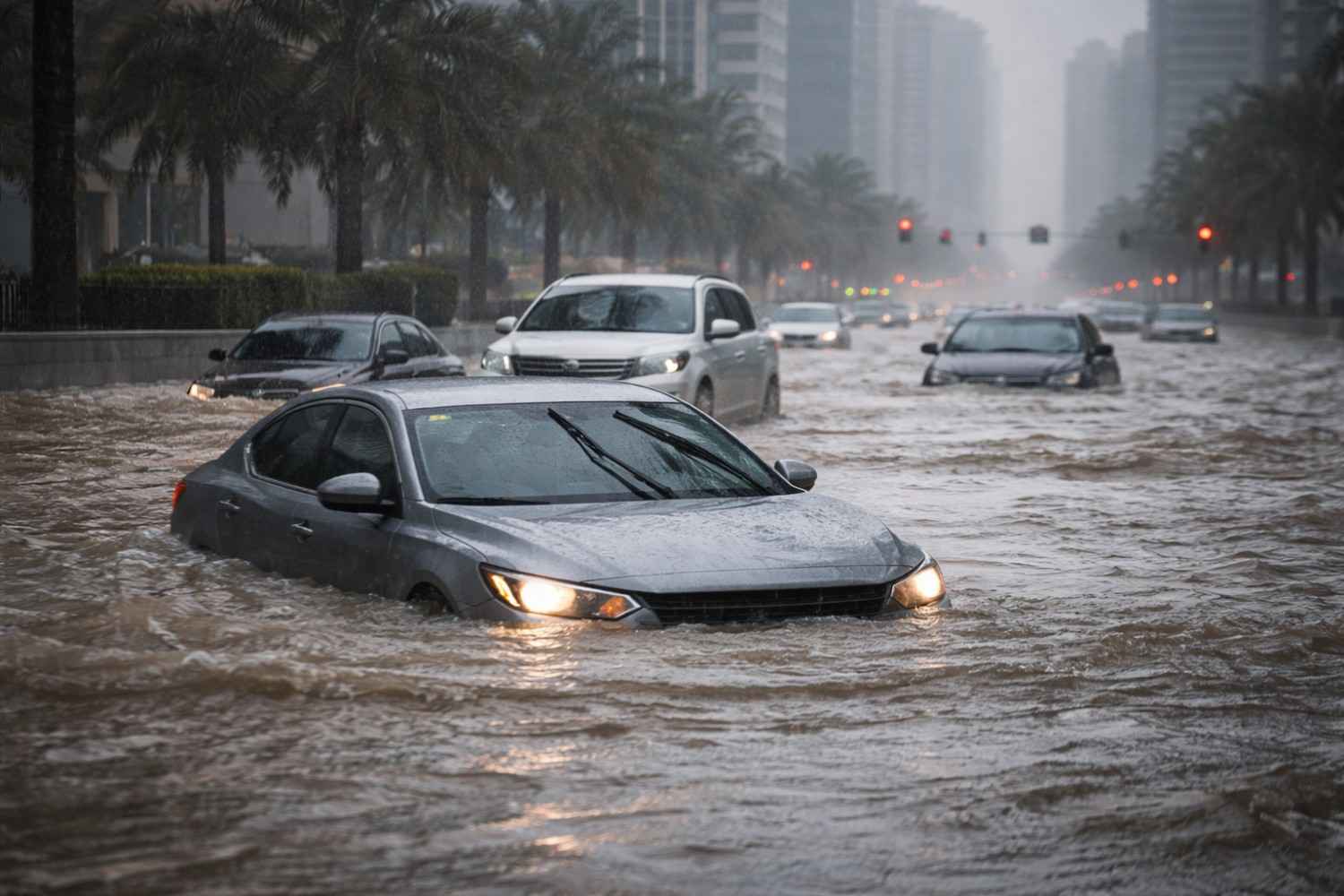
Tropical Storm Bertha made landfall in southern Louisiana on Wednesday afternoon with sustained winds of 45 mph. The storm moved westward across the region, with its center about 40 miles southwest of New Orleans. Ber...
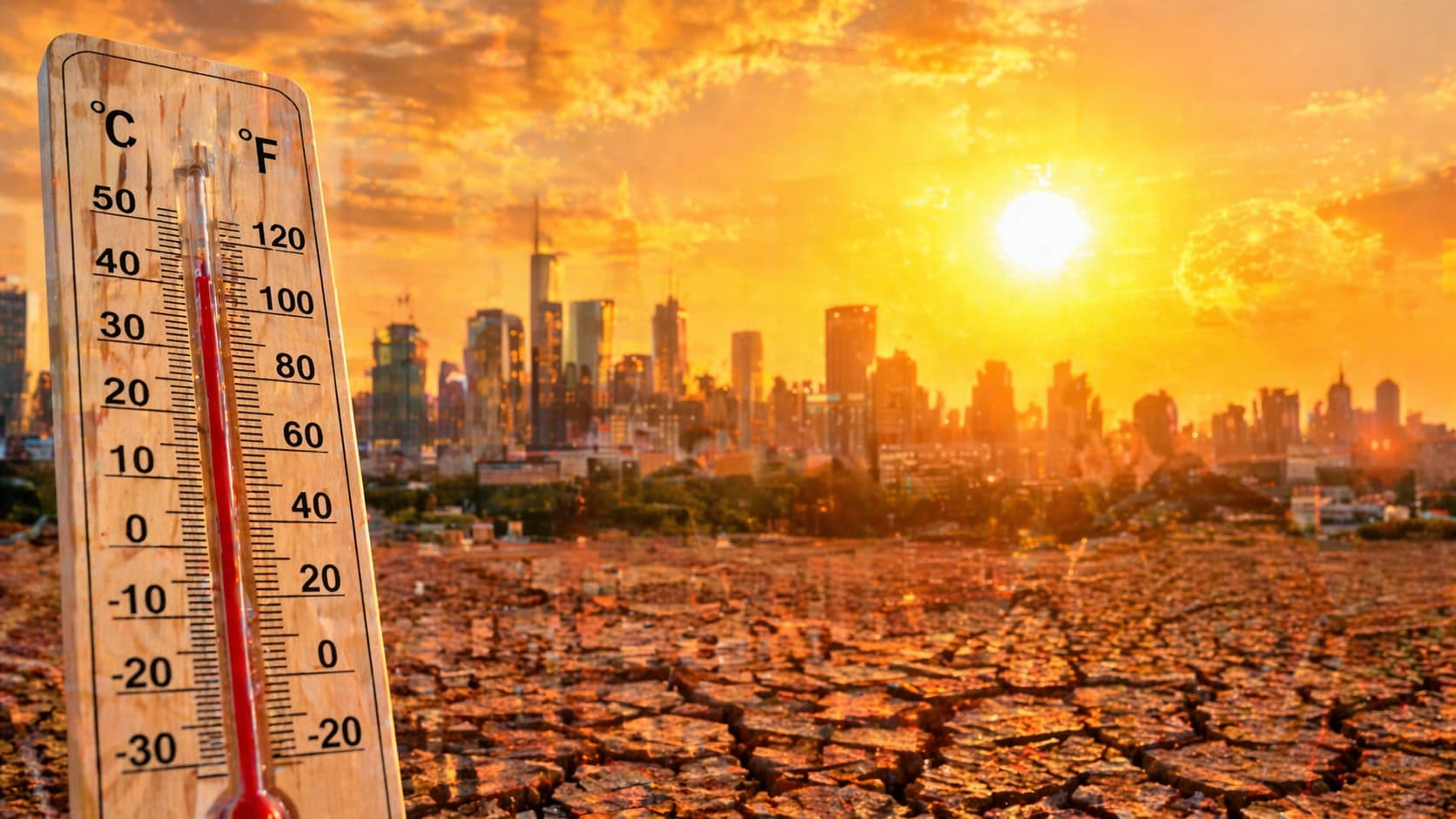
Heat advisories have been issued across multiple regions in 2026 amid soaring temperatures. In the Pacific Northwest, high temperatures could reach the mid-90s in areas including Portland, Vancouver, the Willamette Va...
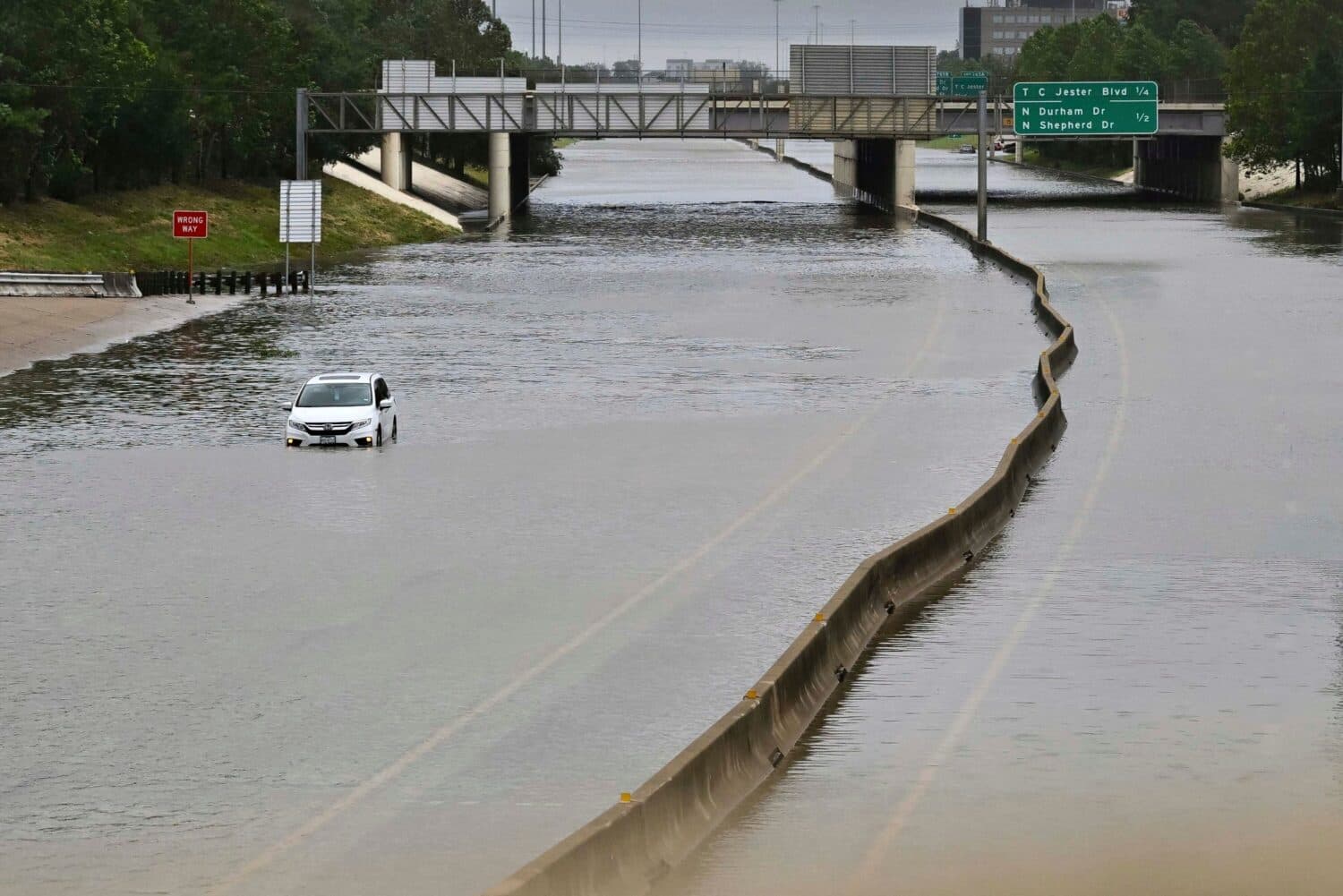
Life-threatening flash floods are threatening millions across Houston and the Gulf Coast due to heavy rainfall from a developing tropical system. A flood watch remains in effect with repeated rounds of rain falling on...

Heavy rainfall has triggered flood watches and warnings across Kansas City, St. Louis, and parts of Missouri. The National Weather Service issued alerts for multiple counties including Jackson, Lafayette, and Ray in t...
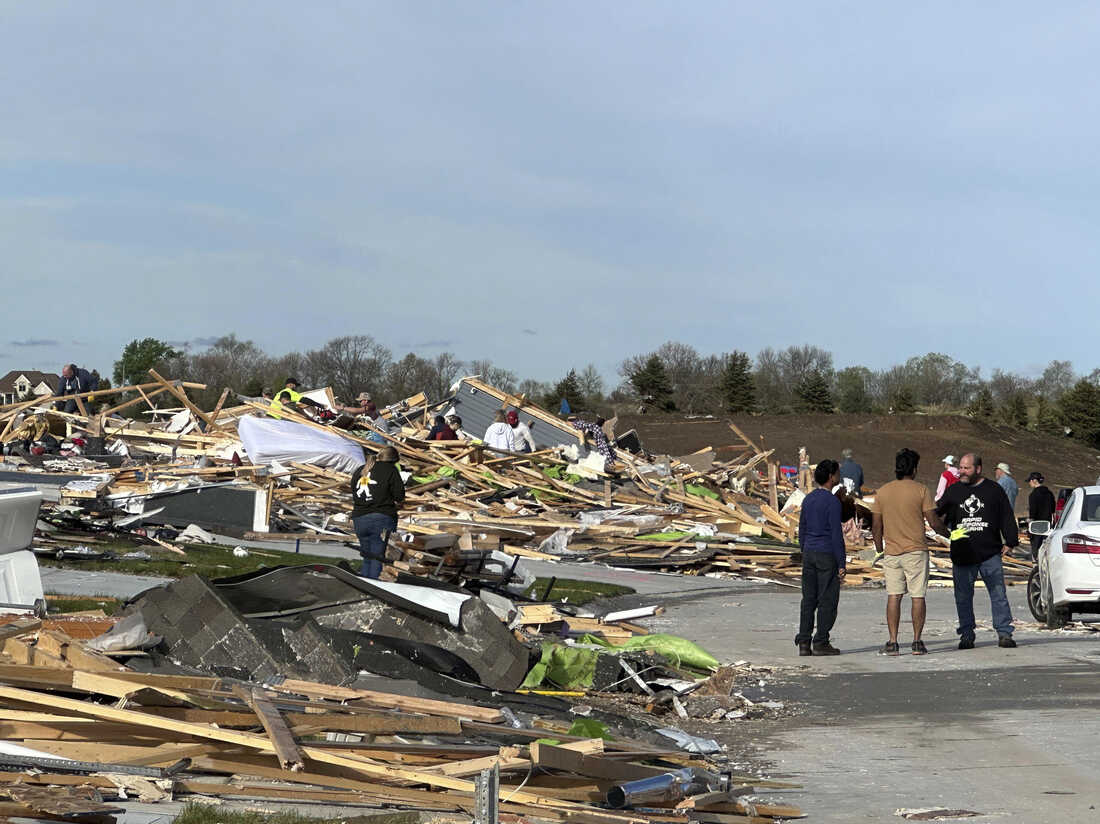
Multiple tornadoes struck Nebraska and Iowa during a severe weather outbreak from May 15-18, 2026. Reports indicate at least 25 tornadoes across central states on May 17, with additional tornadoes on May 18 primarily...

Two tropical systems in the Atlantic are drawing concern for potential impacts to the U.S. East Coast. Hurricane Gabrielle , now intensifying, is producing swells and surf that already affect eastern seaboard beaches....

A major storm system stalled over the central U.S., unleashing days of heavy rainfall across the Midwest and South. Rivers swelled to historic levels, causing widespread flooding in states like Kentucky, Missouri, Indiana, Tennessee, and Arkansas. At least 24 people have died as a result of the flooding, with many more displaced, homes destroyed, and communities cut off by submerged roads and bridges. In many areas, first responders are conducting door‑to‑door rescue missions, and local authorities have declared states of emergency as recovery begins.

Central Texas, especially the Hill Country, was hit by devastating flash floods when heavy rain—up to 20 inches in some areas—caused the Guadalupe River to surge over 20 feet in under an hour. The catastrophic flooding resulted in at least 129 confirmed deaths, with more than 160 people still missing. The disaster struck without much warning early in the morning, sweeping away vehicles, homes, summer camps, and families. First responders and volunteer teams are working tirelessly to find those missing and support survivors amid ongoing concerns of further flooding.

Camp Mystic, a historic Christian girls’ summer camp on the Guadalupe River in Texas Hill Country, was devastated by catastrophic flash flooding. During the night, rising river waters surged 20–26 feet within an hour, inundating cabins and sweeping away campers and staff. At least 27 individuals—girls and counselors—lost their lives, with several more missing. The camp director died heroically attempting rescues. Survivors recount chaos, lack of communication, and delayed evacuation as floodwaters swept through sleeping quarters. Federal, state, and local agencies continue search operations while grieving families await closure.

Tropical Storm Chantel made landfall along the Carolina coast, then moved inland, dumping between 5 and 10 inches of rain across central North Carolina and south-central Virginia. Intense rainfall triggered historic flash flooding along rivers such as the Haw and Eno, leaving homes submerged, roads washed away, and power outages widespread. Five fatalities have been confirmed, and thousands displaced. Local authorities, shelters, and volunteer response teams are working tirelessly as communities begin the arduous cleanup and restoration.

A recent series of powerful storms swept across Kentucky, Missouri, and Virginia, leaving a trail of destruction. Tornadoes, severe thunderstorms, and flash floods impacted numerous communities. Homes were destroyed,...

In late April 2025, a series of powerful storms swept across the central and eastern United States, leaving a trail of destruction. Tornadoes, severe thunderstorms, and flash floods impacted states from Texas to Pennsylvania. Communities faced devastating losses, with homes destroyed, power outages affecting hundreds of thousands, and at least 24 confirmed fatalities. In Oklahoma, record-breaking rainfall led to significant flooding, while Pennsylvania experienced deadly storms that resulted in multiple deaths and widespread damage. Emergency services were overwhelmed, and recovery efforts are ongoing as residents begin to rebuild their lives.

In mid-March 2025, a powerful storm system unleashed multiple tornadoes across Mississippi, resulting in significant loss of life and widespread destruction. Communities such as Tylertown, Bassfield, and Taylorsville were severely impacted, with numerous homes and businesses destroyed. Emergency responders conducted numerous rescues, assisting residents trapped by debris. The National Weather Service had issued a “high risk” outlook prior to the outbreak, indicating the potential for numerous, powerful tornadoes. The storm system also affected neighboring states, leading to additional fatalities and extensive damage.

In mid-February 2025, Kentucky experienced severe flooding due to a powerful storm system, resulting in at least eight fatalities and widespread property damage. Governor Andy Beshear declared a state of emergency, and President Donald Trump approved federal disaster-relief funding to assist in recovery efforts. The storm also affected neighboring states, leading to additional fatalities and extensive damage.

In early February 2025, a powerful winter storm swept across the United States, bringing heavy snowfall, ice, and frigid temperatures to the Mid-Atlantic and Northeast regions. The storm caused hazardous travel conditions, widespread power outages, and significant disruptions to daily life. Communities faced challenges such as road closures, school and business shutdowns, and increased demand on emergency services.

In early January 2025, California faced a series of devastating wildfires, particularly in the Los Angeles area. Driven by powerful Santa Ana winds, some gusting up to 100 mph, the fires rapidly spread, leading to widespread destruction. Thousands of residents were forced to evacuate, with reports indicating at least five fatalities and over 1,000 structures destroyed, including homes in Pacific Palisades and Malibu. The combination of severe drought conditions and intense winds created a perilous environment, challenging firefighting efforts and overwhelming emergency services.

In early January 2025, Winter Storm Cora brought severe winter weather to the southern United States, affecting states from Texas to the Carolinas. The storm caused significant snowfall, ice accumulation, and frigid temperatures, leading to hazardous travel conditions, widespread power outages, and disruptions to daily life. Communities faced challenges such as stranded motorists, closed schools and businesses, and increased demand on emergency services.

In early December 2024, intense lake-effect snowstorms battered the Great Lakes region, particularly impacting areas in Michigan, Ohio, Pennsylvania, and New York. Some communities experienced snowfall accumulations of up to 6 feet, leading to widespread power outages, structural damage, and multiple fatalities. Emergency services have been working tirelessly to rescue stranded individuals and provide aid to those affected.

A powerful bomb cyclone struck the Pacific Northwest, bringing hurricane-force winds, heavy rainfall, and significant snowfall. The storm caused widespread power outages, property damage, and at least two fatalities. Communities are now facing the daunting task of recovery and rebuilding in the aftermath of this devastating event.

Spain is grappling with its deadliest flood disaster in decades, with at least 95 people confirmed dead and many more missing. Torrential rains have caused rivers to overflow, leading to widespread destruction of homes and infrastructure. Emergency services are working tirelessly to rescue those trapped and provide aid to the displaced.

Hurricane Milton, a powerful Category 4 storm, made landfall along the Florida coast, bringing destructive winds and life-threatening storm surges. The storm caused widespread flooding, severe damage to homes and infrastructure, and left millions without power. Emergency response teams have been deployed, but the scale of the disaster requires additional aid to help affected communities recover and rebuild.

Hurricane Helene made landfall as an extremely dangerous Category 4 storm, hitting Florida’s Big Bend region with maximum winds of 140 mph. The storm caused widespread damage, forced evacuations, and resulted in multiple fatalities as it moved inland, affecting several states, including Georgia, the Carolinas, and Alabama. While emergency responders are working tirelessly, the affected communities urgently need assistance to recover and rebuild.

Hurricane Debby made landfall in the Big Bend region of Florida as a Category 1 storm, bringing severe flooding, damaging winds, and life-threatening storm surges. The hurricane’s impact was felt across several states, causing significant damage to homes, businesses, and infrastructure, and leading to widespread power outages and evacuations.

Recent flooding in Vermont has caused widespread devastation, following heavy rains that led to rivers and streams overflowing. This natural disaster has resulted in significant damage to homes, businesses, and infrastructure, particularly affecting communities in central and northern Vermont. Emergency services have been mobilized to assist residents, but the scale of the disaster requires extensive support and resources for effective recovery.

California is currently facing a severe wildfire crisis, with record-breaking fires burning across the state. As of July 2024, the state has seen over 90,000 acres consumed by wildfires, far exceeding the previous year’s total for the same period. The fires, fueled by high temperatures, strong winds, and dry conditions, have forced evacuations, destroyed homes and businesses, and stretched firefighting resources thin.

In June 2024, the United States experienced a record-breaking heat wave, with temperatures soaring to unprecedented levels across the Midwest, Great Lakes, and Northeast. Over 150 million people were affected, facing dangerously high temperatures and heat indices. The extreme heat has caused widespread health risks, strained power grids, and significantly disrupted daily life. Emergency services have been working tirelessly to assist those in need, but the scale of the crisis requires additional support.

Hurricane Beryl, which made landfall on the Texas coast, has caused significant damage and disruption. Initially a Category 4 hurricane, Beryl weakened before hitting Texas but still brought heavy rains, strong winds, and storm surges. The storm has led to widespread power outages, mandatory evacuations, and severe flooding, particularly affecting coastal communities from Corpus Christi to Houston.

Arizona is currently facing an unprecedented crisis as record-breaking heat waves fuel extensive wildfires across the state. The extreme temperatures, soaring above 110 degrees Fahrenheit, have created ideal conditions for wildfires to spread rapidly. As of June 2024, thousands of acres have burned, forcing evacuations and causing significant property damage. The combination of intense heat and widespread fires has put immense strain on local communities and emergency services.

South Florida is currently experiencing severe flooding caused by heavy rains and storms, leading to widespread disruption and damage. The National Weather Service has issued flash flood emergencies for several areas, with significant impacts in Miami-Dade and Broward counties. The flooding has led to road closures, power outages, and flight cancellations, leaving many residents stranded and in urgent need of assistance.

On May 26, 2024, severe tornadoes struck Denton, Texas, causing significant destruction and loss of life. The storms overturned vehicles, damaged homes, and downed power lines, leaving many residents without shelter and basic utilities. Emergency responders and local authorities have been working tirelessly to aid those affected, but the scale of the disaster has necessitated additional support for recovery and rebuilding efforts.

The 2024 tornado season has shattered records, with more tornadoes reported than ever before. From January through April, the U.S. has seen over a hundred tornadoes, with significant damage reported across multiple states. This unprecedented activity is partly attributed to changing climate patterns, which have heightened the frequency and severity of storms. The impact has been devastating, with many communities facing extensive destruction and loss of life.

Texas has been hit by severe storms, resulting in significant power outages affecting over 900,000 homes and businesses across the state, primarily in the Houston area. The storms, characterized by strong winds and torrential rains, caused extensive damage, downing trees and power lines, and left residents vulnerable amid a concurrent heat wave with temperatures soaring dangerously high. The lack of power has heightened risks for residents, complicating efforts to stay cool and safe.

Sulphur, Oklahoma was struck by a series of violent tornadoes that caused extensive damage across the city. The community faced significant destruction, with emergency services responding to reports of 20 injuries and widespread structural damage. The local response efforts have focused on search and rescue operations, with emergency shelters being opened to assist displaced residents.

In a devastating turn of events, Texas has been besieged by one of the most severe wildfire outbreaks in its history. The fires, spurred by a combination of prolonged drought, extreme heat, and strong winds, have ravaged millions of acres across the state, displacing thousands of residents and causing unprecedented destruction. The state, alongside local communities and the Texas A&M Forest Service, has been fighting tirelessly against the flames, with Governor Greg Abbott issuing a widespread disaster declaration to marshal additional resources and support for the affected areas.

A rare and severe weather event struck the Midwest in late February 2024, unleashing nearly two dozen confirmed or suspected tornadoes across several states, including Illinois, Indiana, Michigan, and Ohio. This unusual outbreak caused widespread damage but, fortunately, did not result in any reported fatalities. The occurrence of such severe storms during this time is considered extraordinary, with meteorologists linking the event to unseasonably warm temperatures followed by a sudden return to winter conditions.

In mid-February 2024, the Northeast United States is bracing for a severe winter storm, anticipated to bring heavy snow, ice, and high winds across multiple states. This storm, part of a cross-country weather event, has already caused significant disruptions, including power outages affecting over half a million customers and blizzard conditions in the Upper Midwest. The storm is expected to compound in intensity as it moves into the Northeast, prompting winter weather advisories and warnings in anticipation of the challenging conditions ahead.

The Pineapple Express storm, a significant atmospheric river event, has brought heavy rains, strong winds, and flooding to California. The storm, characterized by its intense precipitation and wind gusts, has caused widespread disruption, including power outages and infrastructural damage. Northern and Central California coasts have been particularly affected, with Flood Watches issued in these regions. The heavy rainfall has increased the risk of flooding and mudslides, while strong winds have led to downed trees and power lines, further exacerbating the situation.

Donations for the San Diego floods will aid in emergency relief, providing essentials like shelter, food, and medical care to those affected. Additionally, these funds will support the repair and reconstruction of homes and infrastructure damaged by the floods, helping the community in its recovery process.

Updated Atlantic Hurricane Outlook Released, Still Busy.

A search of the wildfire devastation on the Hawaiian island of Maui on Thursday revealed a wasteland of obliterated neighborhoods and landmarks charred beyond recognition, as the death toll rose and survivors told har...

Support the displaced families of California as they battle heavy floods, high winds and rain.

Fort Lauderdale experienced the rainiest day in its history Wednesday.

At least three people are dead and dozens of others were hospitalized after a series of brutal tornadoes tore through multiple states in the South and Midwest Friday, ripping homes to shreds and reducing neighborhoods...