
Browse verified fundraising campaigns across immediate and continued need categories. Filter by urgency or crisis type to find where help is needed now.
Immediate
Urgent response needs
Continued
Recovery and sustained aid
Verified
Published campaigns

Hurricane Isaias has strengthened into a Category 3 storm and is threatening the northern Gulf Coast. It is the first Atlantic hurricane of the 2026 season and the ninth named storm. Forecasters had predicted a quiete...
Our Partners



Flash flooding across the Navajo Nation has damaged roads, forced evacuations, and claimed three lives amid heavy monsoon rains in the Four Corners region. The victims include three family members, among them a young...

Wildfires driven by extreme heat and strong winds have forced hundreds of thousands of people to evacuate in France and Spain. More than 300,000 individuals have been displaced following new evacuation orders. In Fran...
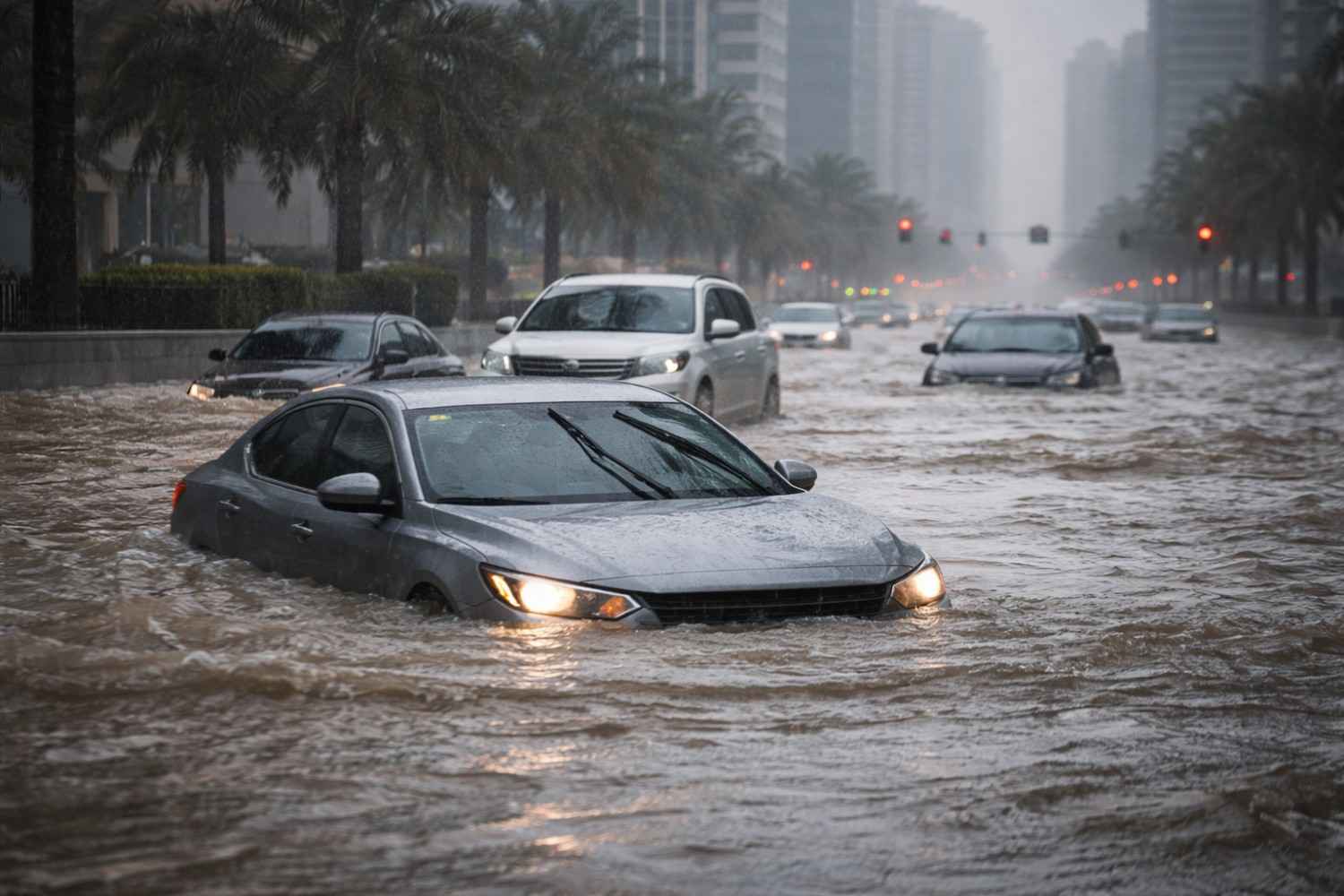
Tropical Storm Bertha made landfall in southern Louisiana on Wednesday afternoon with sustained winds of 45 mph. The storm moved westward across the region, with its center about 40 miles southwest of New Orleans. Ber...
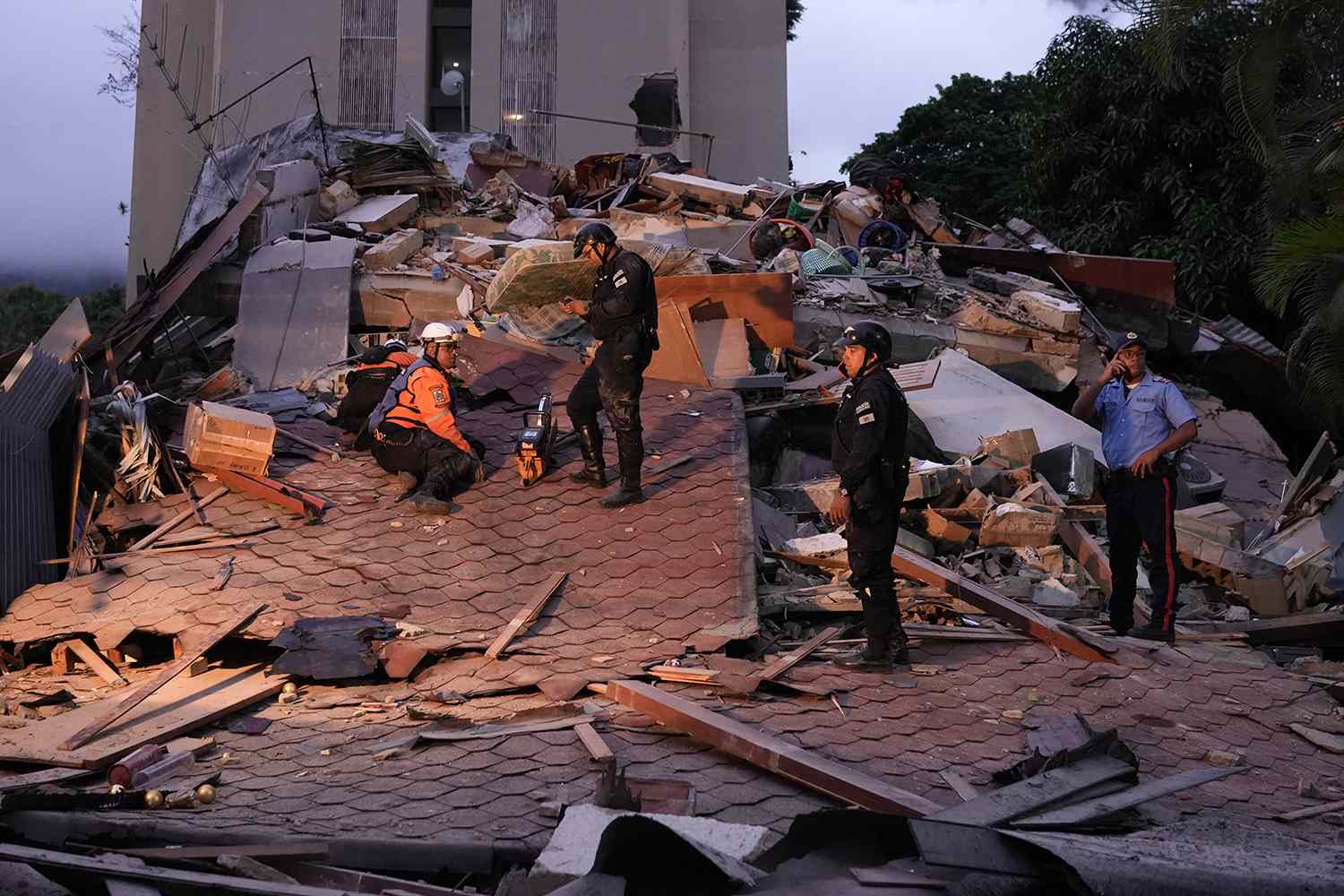
On June 24, 2026, Venezuela was struck by powerful back-to-back earthquakes measuring 7.5 and 7.2 magnitude. The quakes caused widespread destruction, particularly in the coastal state of La Guaira and areas near Cara...
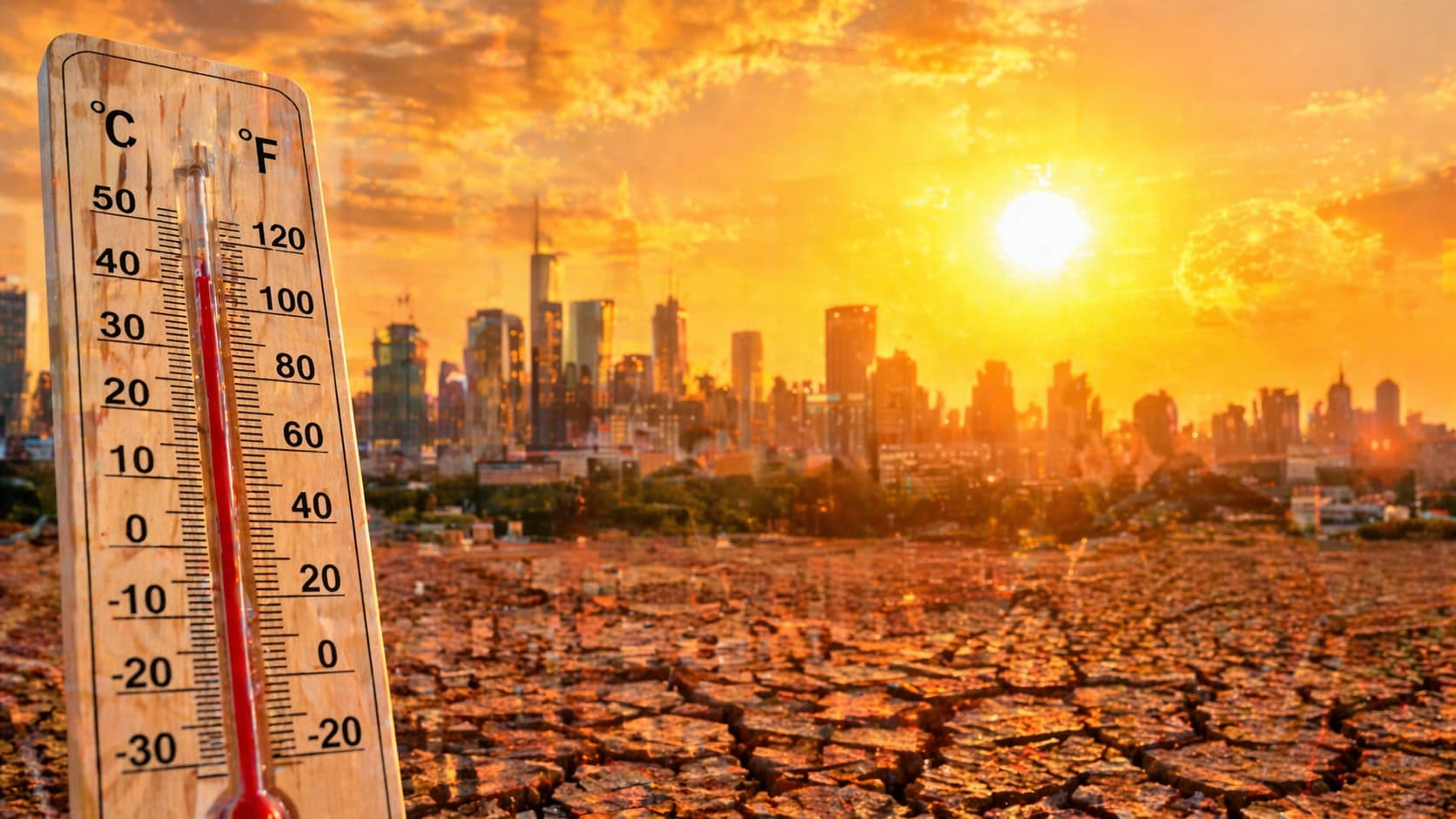
Heat advisories have been issued across multiple regions in 2026 amid soaring temperatures. In the Pacific Northwest, high temperatures could reach the mid-90s in areas including Portland, Vancouver, the Willamette Va...
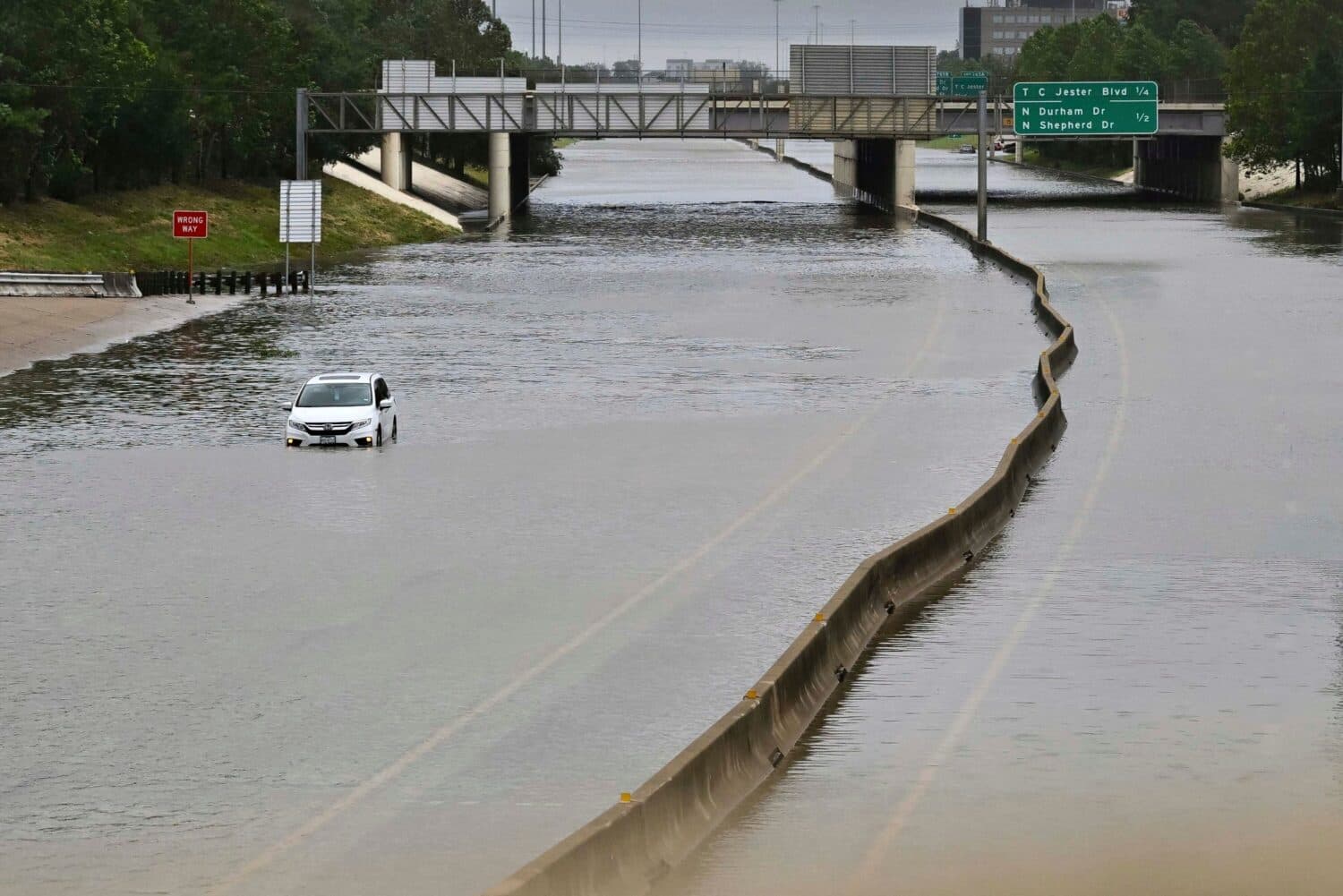
Life-threatening flash floods are threatening millions across Houston and the Gulf Coast due to heavy rainfall from a developing tropical system. A flood watch remains in effect with repeated rounds of rain falling on...

A powerful 7.8 magnitude earthquake struck off the coast of Mindanao in the southern Philippines, causing significant damage including collapsed buildings and a landslide in Sarangani province. The quake killed at lea...

Heavy rainfall has triggered flood watches and warnings across Kansas City, St. Louis, and parts of Missouri. The National Weather Service issued alerts for multiple counties including Jackson, Lafayette, and Ray in t...

The Sandy Fire ignited on May 18, 2026, in Simi Valley, California. The wind-driven blaze rapidly expanded, burning over 2,100 acres and destroying at least one home. It became one of the largest wildfires in the stat...
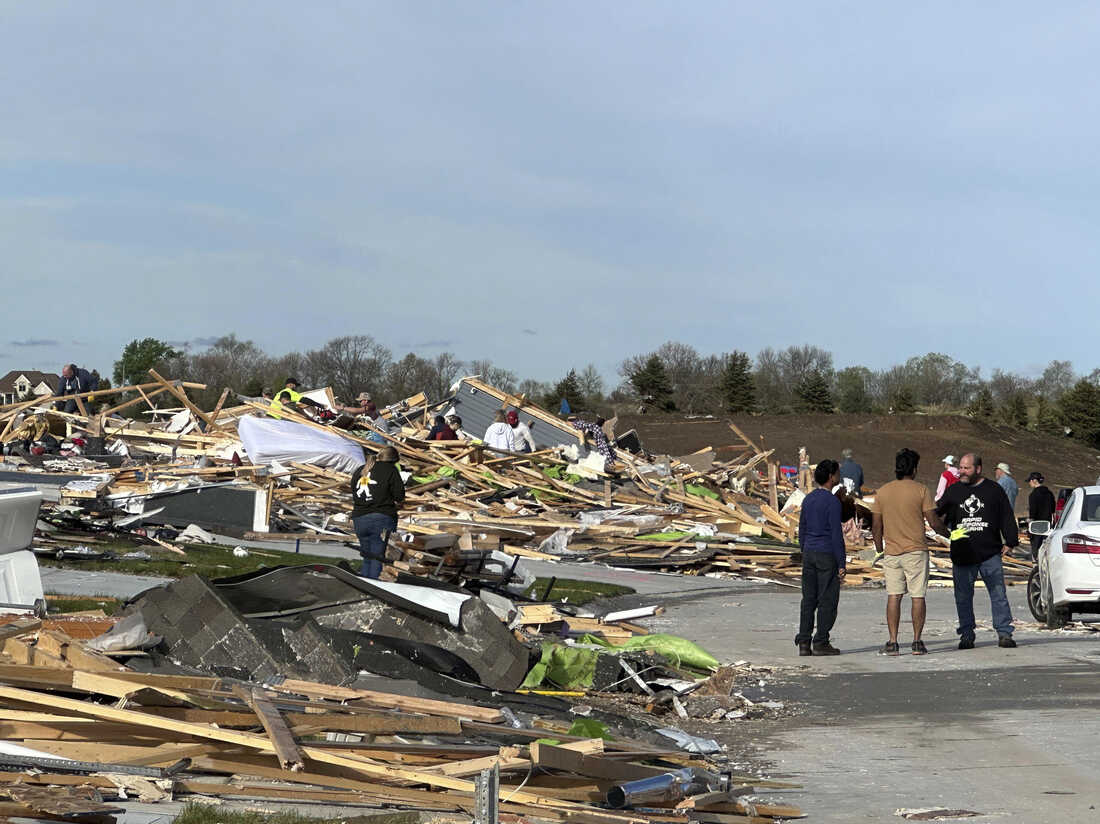
Multiple tornadoes struck Nebraska and Iowa during a severe weather outbreak from May 15-18, 2026. Reports indicate at least 25 tornadoes across central states on May 17, with additional tornadoes on May 18 primarily...

Late on September 30, 2025, a powerful magnitude 6.9 earthquake struck off the coast of northern Cebu, Philippines, causing devastation across the Visayas region. The quake is the deadliest the country has seen in ove...

Central Texas, especially the Hill Country, was hit by devastating flash floods when heavy rain—up to 20 inches in some areas—caused the Guadalupe River to surge over 20 feet in under an hour. The catastrophic flooding resulted in at least 129 confirmed deaths, with more than 160 people still missing. The disaster struck without much warning early in the morning, sweeping away vehicles, homes, summer camps, and families. First responders and volunteer teams are working tirelessly to find those missing and support survivors amid ongoing concerns of further flooding.

A lightning‑ignited wildfire known as the Dragon Bravo Fire erupted on July 4 on the Grand Canyon’s North Rim. Fueled by extreme heat, low humidity, and strong winds, it rapidly grew to over 5,700 acres. The historic Grand Canyon Lodge—along with cabins, administrative buildings, and a water-treatment plant—was destroyed. A chlorine gas leak hampered firefighting efforts. Nearby, the White Sage Fire, also started by lightning, burned nearly 49,000 acres, prompting evacuations of park staff and hundreds of visitors. Officials closed the North Rim for the remainder of the season. Remarkably, all staff and visitors were evacuated safely; no injuries have been reported.

Camp Mystic, a historic Christian girls’ summer camp on the Guadalupe River in Texas Hill Country, was devastated by catastrophic flash flooding. During the night, rising river waters surged 20–26 feet within an hour, inundating cabins and sweeping away campers and staff. At least 27 individuals—girls and counselors—lost their lives, with several more missing. The camp director died heroically attempting rescues. Survivors recount chaos, lack of communication, and delayed evacuation as floodwaters swept through sleeping quarters. Federal, state, and local agencies continue search operations while grieving families await closure.

On April 12, 2025, a twin-engine Mitsubishi MU-2B aircraft crashed into a muddy field near Copake, New York, killing all six people on board. The victims included Dr. Michael Groff, a neurosurgeon; Dr. Joy Saini, a urogynecologist; their children, Karenna and Jared Groff; and their children’s partners, James Santoro and Alexia Couyutas Duarte. Karenna was a former MIT soccer player and the 2022 NCAA Woman of the Year. The family was traveling to the Catskills for a birthday celebration and Passover. The National Transportation Safety Board (NTSB) is investigating the crash, with weather conditions and mechanical issues among the factors being examined.

In mid-March 2025, a powerful storm system unleashed multiple tornadoes across Mississippi, resulting in significant loss of life and widespread destruction. Communities such as Tylertown, Bassfield, and Taylorsville were severely impacted, with numerous homes and businesses destroyed. Emergency responders conducted numerous rescues, assisting residents trapped by debris. The National Weather Service had issued a “high risk” outlook prior to the outbreak, indicating the potential for numerous, powerful tornadoes. The storm system also affected neighboring states, leading to additional fatalities and extensive damage.

In early January 2025, California faced a series of devastating wildfires, particularly in the Los Angeles area. Driven by powerful Santa Ana winds, some gusting up to 100 mph, the fires rapidly spread, leading to widespread destruction. Thousands of residents were forced to evacuate, with reports indicating at least five fatalities and over 1,000 structures destroyed, including homes in Pacific Palisades and Malibu. The combination of severe drought conditions and intense winds created a perilous environment, challenging firefighting efforts and overwhelming emergency services.

In early December 2024, intense lake-effect snowstorms battered the Great Lakes region, particularly impacting areas in Michigan, Ohio, Pennsylvania, and New York. Some communities experienced snowfall accumulations of up to 6 feet, leading to widespread power outages, structural damage, and multiple fatalities. Emergency services have been working tirelessly to rescue stranded individuals and provide aid to those affected.

Spain is grappling with its deadliest flood disaster in decades, with at least 95 people confirmed dead and many more missing. Torrential rains have caused rivers to overflow, leading to widespread destruction of homes and infrastructure. Emergency services are working tirelessly to rescue those trapped and provide aid to the displaced.

Hurricane Debby made landfall in the Big Bend region of Florida as a Category 1 storm, bringing severe flooding, damaging winds, and life-threatening storm surges. The hurricane’s impact was felt across several states, causing significant damage to homes, businesses, and infrastructure, and leading to widespread power outages and evacuations.

California is currently facing a severe wildfire crisis, with record-breaking fires burning across the state. As of July 2024, the state has seen over 90,000 acres consumed by wildfires, far exceeding the previous year’s total for the same period. The fires, fueled by high temperatures, strong winds, and dry conditions, have forced evacuations, destroyed homes and businesses, and stretched firefighting resources thin.

On July 19, 2024, Delta Airlines experienced a significant disruption due to a vendor-related technology issue, leading to the cancellation of an unprecedented number of flights. The outage affected Delta’s global operations, leaving thousands of travelers stranded and in need of assistance. The issue has highlighted the vulnerability of airline operations to technological failures and the urgent need for robust contingency plans.

On July 19, 2024, a major technology outage disrupted services worldwide, impacting millions of people. The outage affected critical infrastructure, including internet services, financial transactions, and public transportation systems. This unprecedented event left many people stranded and unable to access essential services, highlighting the fragility of our interconnected technological systems. Relief efforts are underway, but additional support is needed to assist those impacted and restore normalcy.

Arizona is currently facing an unprecedented crisis as record-breaking heat waves fuel extensive wildfires across the state. The extreme temperatures, soaring above 110 degrees Fahrenheit, have created ideal conditions for wildfires to spread rapidly. As of June 2024, thousands of acres have burned, forcing evacuations and causing significant property damage. The combination of intense heat and widespread fires has put immense strain on local communities and emergency services.

On May 26, 2024, severe tornadoes struck Denton, Texas, causing significant destruction and loss of life. The storms overturned vehicles, damaged homes, and downed power lines, leaving many residents without shelter and basic utilities. Emergency responders and local authorities have been working tirelessly to aid those affected, but the scale of the disaster has necessitated additional support for recovery and rebuilding efforts.

The 2024 tornado season has shattered records, with more tornadoes reported than ever before. From January through April, the U.S. has seen over a hundred tornadoes, with significant damage reported across multiple states. This unprecedented activity is partly attributed to changing climate patterns, which have heightened the frequency and severity of storms. The impact has been devastating, with many communities facing extensive destruction and loss of life.

Taiwan experienced its strongest earthquake in 25 years, with conflicting reports on its magnitude ranging from 7.2 to 7.7. The quake caused significant destruction, especially in Hualien City, near the epicenter. The disaster has led to at least nine fatalities, with many more injured or trapped under debris. Rescue operations are underway, with military personnel dispatched to assist in the affected areas.

In a devastating turn of events, Texas has been besieged by one of the most severe wildfire outbreaks in its history. The fires, spurred by a combination of prolonged drought, extreme heat, and strong winds, have ravaged millions of acres across the state, displacing thousands of residents and causing unprecedented destruction. The state, alongside local communities and the Texas A&M Forest Service, has been fighting tirelessly against the flames, with Governor Greg Abbott issuing a widespread disaster declaration to marshal additional resources and support for the affected areas.

In February 2024, devastating wildfires swept through central Chile, claiming numerous lives and causing widespread destruction. The fires, fueled by a summer heatwave and drought conditions, ravaged the densely populated regions of Viña del Mar and Valparaiso, leaving thousands of hectares of forest land scorched. These wildfires have been marked as one of Chile’s most tragic natural disasters in recent history, drawing attention to the urgent need for enhanced firefighting capabilities and disaster preparedness in the face of climate change.

The Pineapple Express storm, a significant atmospheric river event, has brought heavy rains, strong winds, and flooding to California. The storm, characterized by its intense precipitation and wind gusts, has caused widespread disruption, including power outages and infrastructural damage. Northern and Central California coasts have been particularly affected, with Flood Watches issued in these regions. The heavy rainfall has increased the risk of flooding and mudslides, while strong winds have led to downed trees and power lines, further exacerbating the situation.

Morocco earthquake kills more than 2,000 people, survivors sleep outdoors.

Doctors warn of these bad air quality health effects as Canadian wildfire smoke blows through East Coast.

Iowa apartment collapse: Authorities call off rescue efforts, building to be demolished.

New Mexico wildfire reignites residents’ fears, frustrations from record-setting fire in 2022.

The Keystone pipeline leaked in Kansas. What makes this recent spill so bad?

Support the displaced families of California as they battle heavy floods, high winds and rain.

Fort Lauderdale experienced the rainiest day in its history Wednesday.

At least three people are dead and dozens of others were hospitalized after a series of brutal tornadoes tore through multiple states in the South and Midwest Friday, ripping homes to shreds and reducing neighborhoods...